

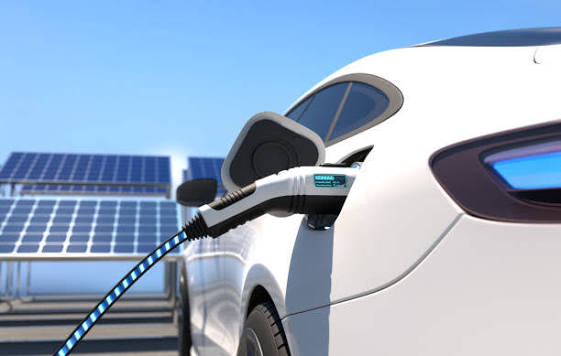
Transport minister Barbara Creecy says her department is exploring the possibility of using the Taxi Recapitalisation Grant to help the South African taxi industry transition to electric vehicles (EVs).
Creecy said she had seen research indicating a significant uptick in EV adoption in South Africa.
“I suppose it’s a no-brainer that consumers would look for ways of reducing the cost of fuel,” Creecy said. We are looking for government support; for example, the Taxi Recapitalisation Grant, whether there’s a way in which we could use that to give the industry access to electric vehicles.”
She said her department’s concerns were that those who can naturally afford to purchase EVs would do so, while many public transport operators would be left with expensive means of transportation.
The Taxi Recapitalisation Grant is a capital subsidy allocated from the National Revenue Fund, meaning it comes from taxes paid in South Africa. Although South Africa’s minibus taxi industry is not exempt from income tax, it operates predominantly on cash, making it difficult for the South African Revenue Service (SARS) to enforce compliance.
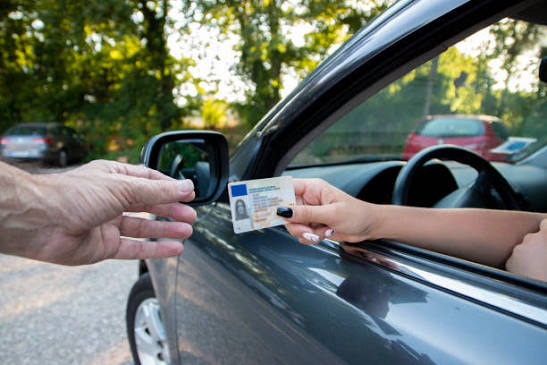
Finance minister Enoch Godongwana also said in September that tax compliance remains low in the taxi industry and that the sector would be targeted to expand South Africa’s tax base. Therefore, Creecy’s proposal is one in which taxpayers would fund the transition of an undertaxed industry to EVs. The minister has also proposed a new vehicle licence disc renewal fee to support the Road Accident Fund (RAF).
She proposed a transitional tax on vehicle licence disc renewals to support the RAF through this transition, but did not specify whether it would apply only to EVs and hybrids. If it were to apply to all vehicle types, it would effectively represent a double tax on motorists with petrol- and diesel-powered cars, as they already contribute to the RAF through the fuel levy.
New energy vehicle sales surge but remain a fraction of total car sales in South Africa According to data reported to the National Association of Automobile Manufacturers of South Africa (NAAMSA), 3,217 EVs were sold between January 2026 and September 2026. This represents a significant increase in sales over the same period in 2025, when just 802 fully electric vehicles were sold in South Africa.
Similar trends were observed for plug-in hybrid electric vehicles (PHEVs) and traditional hybrids. 8,082 PHEVs were sold in 2026, compared to 1,784 in 2025. The increase in sales of traditional hybrid vehicles was more modest. 9,356 were sold between January and the end of September 2025, which increased to 11,090 during the same period in 2026.
However, new energy vehicle (NEV) sales, which include EVs, PHEVs, and traditional hybrid sales, still represent just a fraction of total car sales in South Africa. NEV sales accounted for 4.55% of total car sales in South Africa between the start of the year and the end of September 2026, up from 2.73% in the same period last year.